
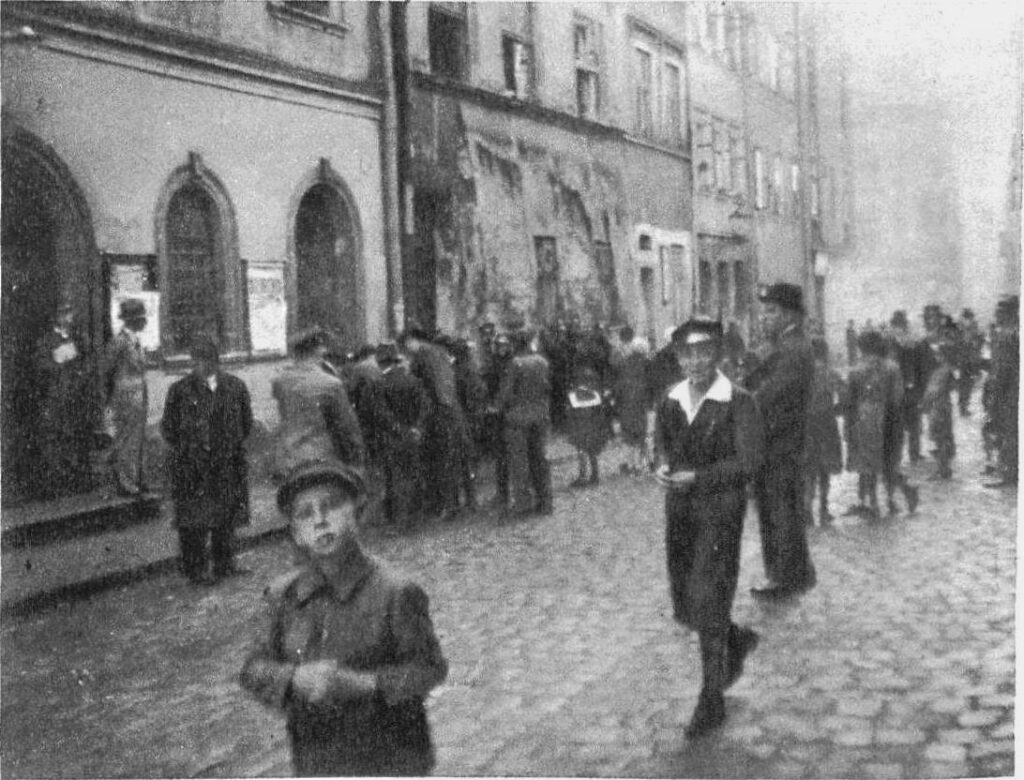
In 1863 a certain Mr Stefan, leaving a tavern on what was then Wekslarska Street, fell into a dilapidated privy. Whether the privy or the mead was to blame, the documents do not say. But it is thanks to this incident that we know Naftali’s mead tavern operated on the ground floor of the house at 10 Staroievreiska Street. The magistrate ordered the owners to put things right, and in 1866 approved a design by the architect Jakub Zwilling – adding a third tier of toilets.
The house itself is Lviv in miniature. A Gothic 15th-century house, a Renaissance rebuilding by the merchant Albert Harajewicz, after whom it is named, an Armenian shoemaker, Bedros Lissohorycz, in the 18th century, and Jewish owners in the 19th. In the early 20th century the director of the Jewish theatre, Gimpel, lived here, and there were shops.
What exactly Naftali poured is unknown: no description of his range has survived. But mead – honey diluted with water and fermented, sometimes with spices – had been drunk in Lviv for centuries, alongside beer and vodka. The 1863 document is one of the few direct records of a separate mead tavern in the city’s Jewish quarter.